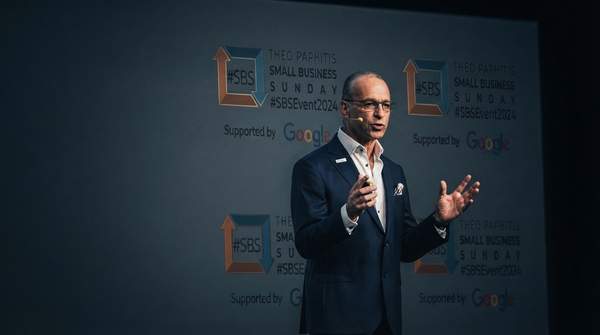
At the recent Small Business Sunday event in Liverpool, local entrepreneurs voiced significant concerns over the £90,000 VAT threshold and the need for practical reforms to zero-hour contracts. These discussions, featuring Business Secretary Jonathan Reynolds, highlighted how current tax complexities and regulatory burdens create substantial challenges for growing businesses, particularly within the hospitality sector. The event served as a platform for businesses to convey their priorities to government figures, including Prime Minister Andy Burnham and Chancellor John Healey.
Small Business Sunday Highlights Key Entrepreneurial Challenges
Thousands of delegates, including Prime Minister Andy Burnham, gathered in Liverpool for a series of debates, with Labour Business initiating its week with Small Business Sunday. Business Secretary Jonathan Reynolds delivered the keynote address, engaging with attendees on a range of topics from glassmaking to public procurement and VAT thresholds a Business Live report. The event provided a crucial forum for businesses to articulate their expectations and challenges directly to government representatives. Discussions focused on what support entrepreneurs sought from key political figures.The 'Cliff Edge' VAT Threshold: A Tax Complexity
A significant tax complexity highlighted was the "cliff edge" VAT threshold of £90,000 in a 12-month period. Andrea Edwards from small business support group Move Business explained that businesses often "fall off a cliff" when they reach this turnover figure, as it mandates VAT registration Move Business's Andrea Edwards. This transition brings with it new bills and increased bureaucracy. Edwards noted that if businesses are not adequately informed by an accountant or bookkeeper, the sudden requirement to register for VAT can come as a considerable "shock" Edwards' comments.
Regulatory Burdens: Zero-Hour Contract Reforms
Regulatory burdens also featured prominently in the discussions. Among the suggestions for government support, attendees emphasized the need to ensure that any reforms to zero-hour or low-hour contracts are practical and flexible, particularly for hospitality businesses Small Business Sunday suggestions. Tina McKenzie, interim national chair of the Federation of Small Businesses (FSB), summarized these points, underscoring the importance of regulatory frameworks that support, rather than hinder, operational flexibility for businesses.
Practical Impact on Local Entrepreneurs
These tax and regulatory issues directly impact the day-to-day operations and growth prospects of small businesses. The abrupt administrative and financial demands of VAT registration at the £90,000 threshold can divert resources and attention from core business activities, potentially stifling growth for unprepared firms Andrea Edwards' observations. Similarly, inflexible reforms to zero-hour contracts could limit the ability of businesses, especially in sectors like hospitality, to manage staffing levels efficiently in response to fluctuating demand attendee suggestions. Entrepreneurs at Small Business Sunday stressed that government support should focus on practical solutions that ease these burdens, allowing businesses to thrive without unexpected shocks or restrictive regulations.